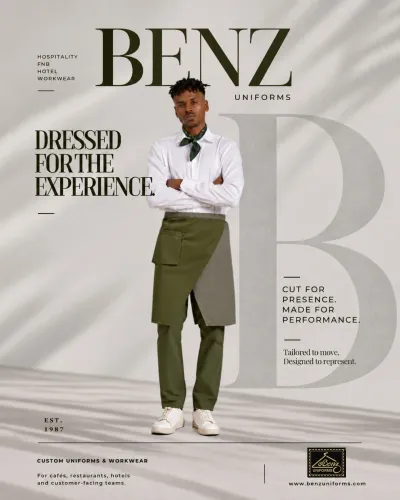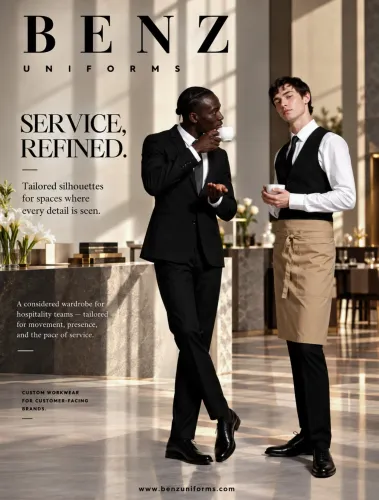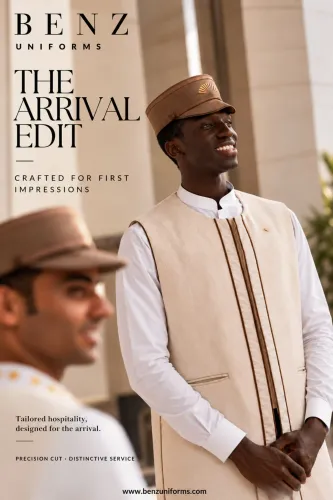

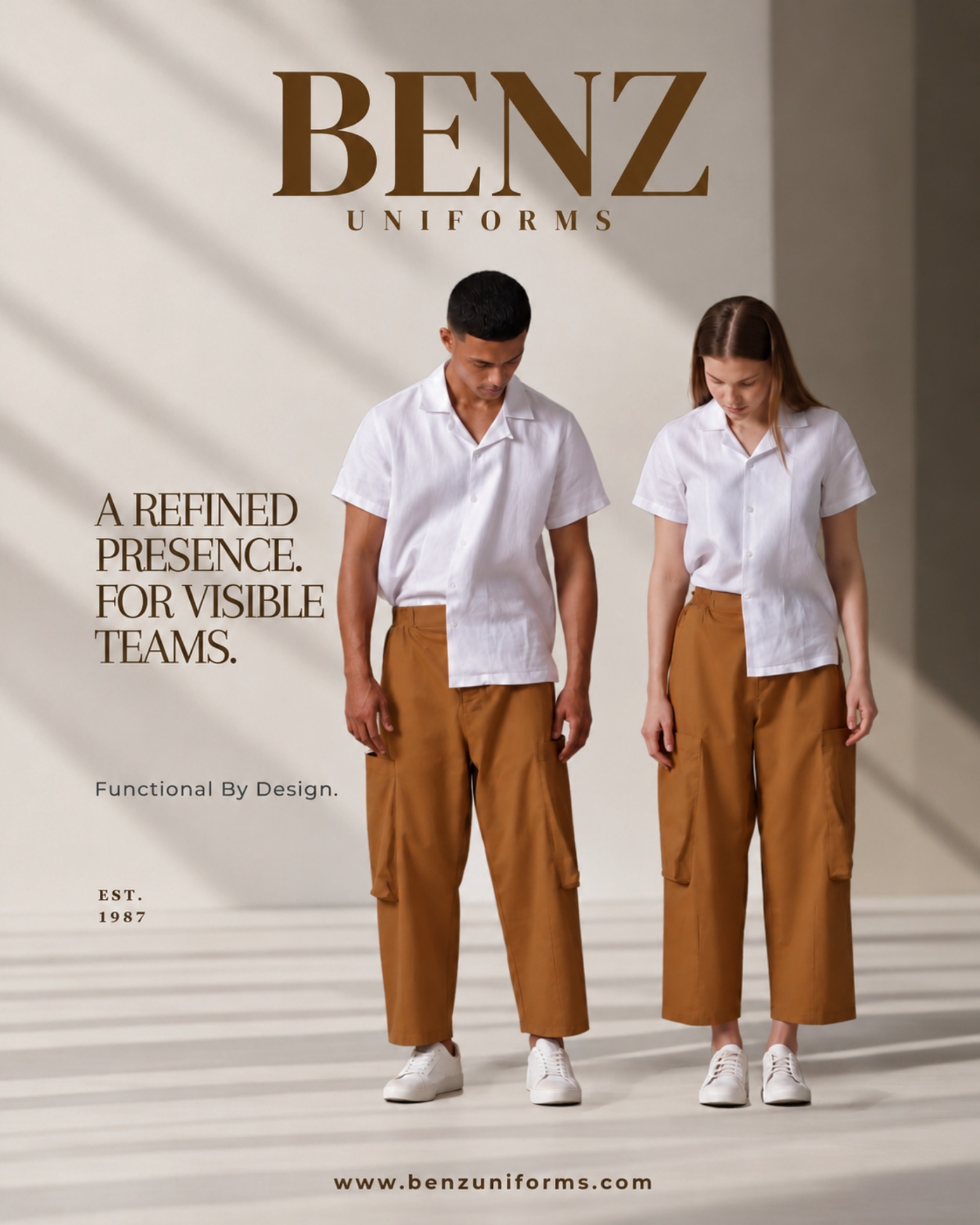
A hotel's brand identity is communicated through its architecture, interior design, customer service and employee presentation. Uniforms are an important part of this identity because staff members interact with guests throughout their stay.
Working with a capable hospitality uniform manufacturer can help hotels develop coordinated clothing that reflects their service standards while addressing the practical needs of different departments.
For hospitality businesses in Bangalore, uniform planning is particularly relevant because properties serve different customer groups, including corporate travellers, families, tourists and international visitors.
Uniforms as Part of Hotel Branding
Uniforms are often among the first visual details guests notice when interacting with employees. A well-designed uniform can reinforce a hotel's personality without requiring excessive branding.
Consider how different hotel categories may approach uniform design:
A luxury hotel may prefer refined tailoring, premium-looking fabrics and subtle detailing.
A business hotel may prioritise smart, understated and practical clothing.
A boutique property may use distinctive colours or patterns inspired by its design theme.
A resort-style property may prefer relaxed silhouettes and breathable fabrics.
The uniform should complement the hotel's overall atmosphere rather than compete with it.
Why Department-Wise Coordination Matters
Hotels often employ several teams that perform different functions. A coordinated uniform system helps maintain visual consistency while allowing employees to be recognised by department.
For example, the front office may use formal shirts and blazers, while housekeeping employees wear comfortable tunics or shirts with practical trousers.
Restaurant teams may have a separate design, and kitchen employees may require specialised workwear.
The key is to establish a shared design language through:
Consistent brand colours.
Similar embroidery or logo placement.
Coordinated accessories.
Appropriate garment silhouettes.
Consistent fabric quality and finishing.
This approach creates a unified appearance without making every department look identical.
The Uniform Development Process
A structured development process can prevent misunderstandings and reduce unnecessary revisions.
Step 1: Understand the Hotel's Requirements
The manufacturer should understand the hotel's category, department structure, employee responsibilities and expected visual identity.
Step 2: Select Colours and Fabrics
Colour choices should complement the hotel's branding. Fabric selection should consider comfort, durability, appearance and maintenance.
Step 3: Finalise Garment Designs
Each department requires designs appropriate to its activities. This may include shirts, trousers, blazers, skirts, tunics, waistcoats and specialised workwear.
Step 4: Review Samples
Sample garments allow management to evaluate stitching, fabric, measurements, finishing and overall appearance before confirming bulk production.
Step 5: Plan Sizes and Quantities
The hotel should prepare department-wise employee counts and maintain additional quantities where practical.
Step 6: Inspect the Finished Order
Quality checks should cover stitching, colour consistency, measurements, logo placement and finishing.
Why Customisation Matters
Standard uniforms may not always reflect a hotel's identity or operational requirements. Customisation provides opportunities to develop garments that suit a particular property.
Possible customisation elements include:
Embroidered hotel logos.
Department-specific colour combinations.
Custom collars and cuffs.
Specialised pocket placement.
Tailored cuts and garment details.
Coordinated ties, scarves and accessories.
However, customisation should remain practical. Excessive detailing can increase maintenance requirements without necessarily improving employee comfort.
Important Considerations for Bangalore Hotels
Bangalore's hospitality sector includes luxury hotels, business properties, serviced apartments, boutique hotels and independent establishments.
Each category has different uniform requirements. A corporate hotel near a major business district may prioritise formal designs, while a leisure-focused property may prefer more relaxed styling.
Local coordination can also help management discuss samples, measurements and design revisions more conveniently.
BENZ UNIFORMS is a business that hospitality organisations can evaluate when exploring customised uniform solutions. Hotels should assess its design capabilities, production processes, fabric options and ability to meet department-wise requirements.
Creating Long-Term Uniform Consistency
Uniform planning should not end after the first order. Hotels need a system for replacement garments, new employees and future design updates.
Maintaining fabric specifications, colour references, size records and approved samples can make subsequent orders more consistent.
A reliable hospitality uniform manufacturer should be evaluated not only on garment appearance but also on quality control, communication and production coordination. For Bangalore hotels, these factors contribute to a professional employee presentation and a recognisable brand identity.