
Restaurant uniforms in Pune must cope with heat, humidity, monsoon drying delays, kitchen grease, food stains, dust and repeated commercial washing. By matching garments to each role, testing movement and laundering, and planning enough clean stock, you can reduce service interruptions without sacrificing a consistent appearance.
Key takeaways
- Observe a complete shift before changing garments or placing a uniform order.
- Specify separate garments for chefs, servers, housekeeping staff and front-desk teams.
- Choose fabrics that dry quickly and withstand heat, grease and repeated washing.
- Keep replacement stock for stained, faded, damaged or rain-soaked uniforms.
Diagnose the Uniform Problems That Disrupt Pune Restaurant Service
Diagnosing restaurant uniform problems in Pune starts with the shift, not a catalogue. Observe complete service during summer heat and humid monsoon weather, then inspect garments after kitchen exposure, rain travel, storage and the intended laundry cycle. Record dust, grease, food stains, odour, colour fading and slow drying.
Too few spare sets encourage staff to reuse damp or soiled clothing, so measure rainy-season laundry turnaround before changing the issue quantity. Test fit while carrying trays, bending, wiping tables and reaching; static measurements miss shirt pull-out, restricted shoulders, loose waistbands and rolled sleeves.
Check these failure points before approving a new specification:
- Front-of-house staff: tray abrasion, chair and counter contact, pocket security, underarm heat and torso rotation.
- Kitchen staff: heat, steam, grease, snag hazards, frequent hot laundering and secure closures.
- High-stress areas: collar edges, pocket mouths, side slits, trouser seat, crotch seams, cuffs and button or snap attachments.
| Area | Inspect during service | Warning sign |
|---|---|---|
| Front of house | Carrying, turning and sitting | Pulling shirt, exposed waist or blocked movement |
| Kitchen | Heat, bending and lifting | Restricted elbows, loose closure or snagging |
| Laundry and storage | Drying, folding and repeated washing | Damp smell, shrinking, colour transfer or damaged logo |
Give Each Restaurant Role the Right Garment Specification
Uniforms should follow each role’s movement, exposure and contact with food, not force every employee into one hotel staff uniform.
| Role | Garment specification | Prevents |
|---|---|---|
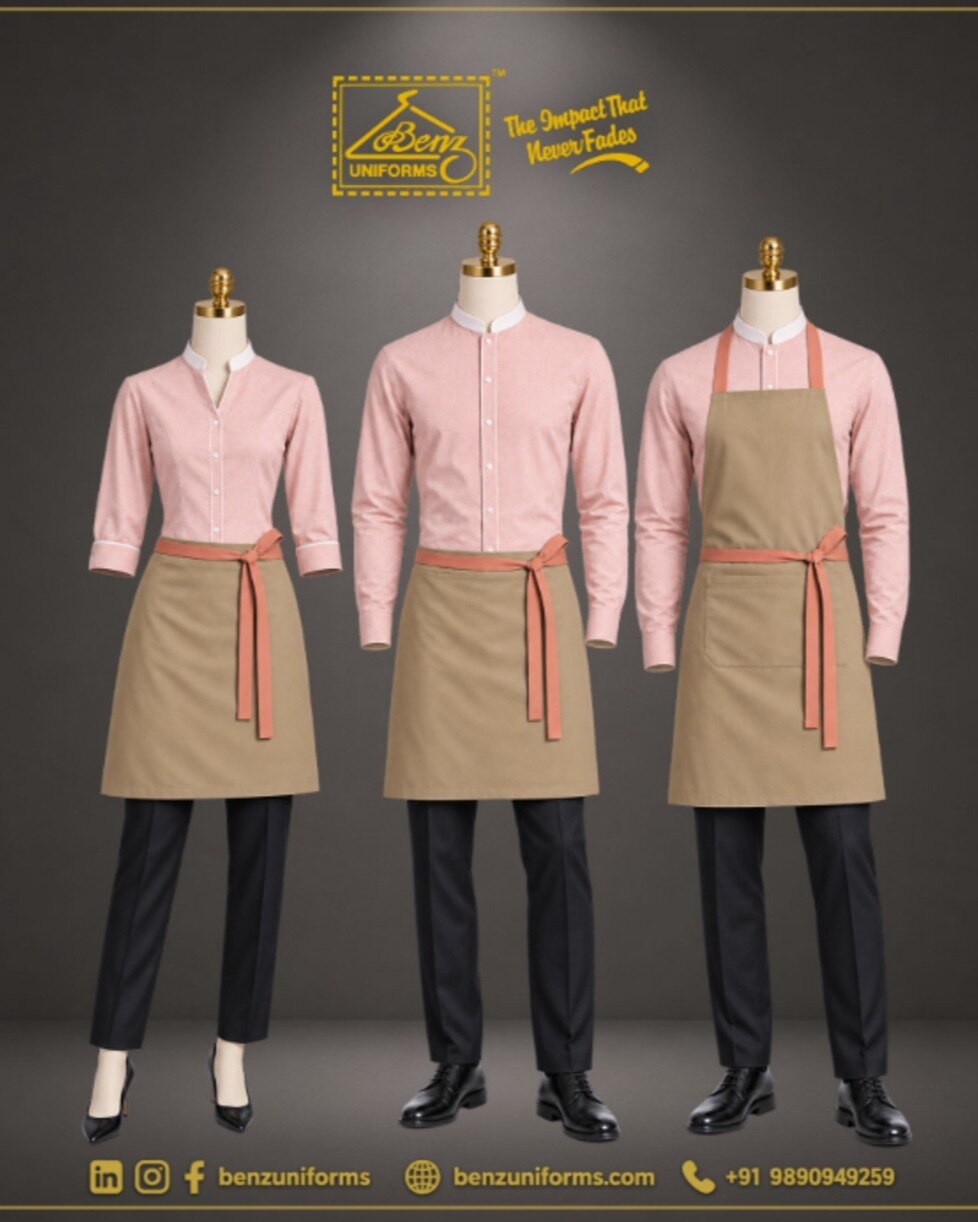
| Servers | Breathable shirt with underarm ease, side vents, stretch, secure pockets and a short apron | Pulling, spills and tray interference |
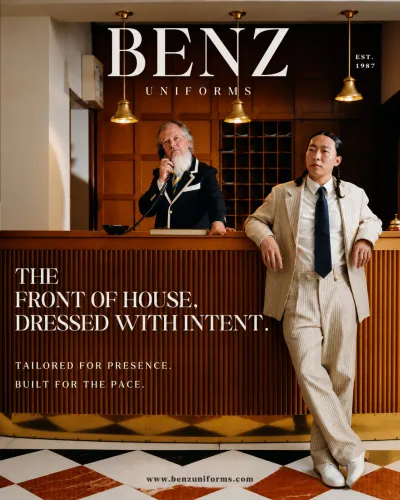
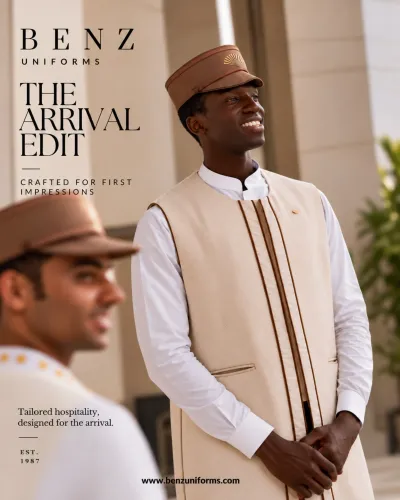
| Hosts | Structured shirt or lightweight jacket with polished trousers or skirt; keep pockets discreet | A casual first impression and restricted movement |
| Bartenders | Stain-resistant shirt, reinforced apron, non-slip footwear compatibility and sealed pockets | Wet hems, broken glass hazards and lost tools |
| Cashiers | Neat, low-bulk shirt or tunic with one secure waist pocket; avoid loose sleeves | Snags around counters and obstructed card handling |
| Supervisors | Distinctive waistcoat or jacket over a mobile shirt, with a radio-ready pocket | Being mistaken for floor staff or carrying equipment unsafely |
| Runners | Lightweight shirt, stretch trousers and shorter apron with a secure phone or order pocket | Overheating, snagging and blocked movement |
| Kitchen staff | Heat-tolerant chef coat, low-snag trousers, secure closures and ventilated panels away from splash zones | Burns, contamination and overheating |
Test every garment while reaching, bending, carrying trays, wiping tables and sitting. A secure waistband and unrestricted shoulders matter more than static measurements; poor fit drives sleeve rolling, loosened closures and premature seam failure. Keep kitchen specifications separate from front-of-house garments, then test logos through repeated laundering before approval.
Choose Fabrics and Features That Survive Heat, Movement and Washing
Choose the fabric against the laundry process, not the showroom feel. A poly-cotton blend usually dries faster and holds its shape better than 100% cotton, while cotton-rich cloth feels cooler but shrinks, creases and dries slowly.
| Fabric | Mobility and comfort | Durability and care |
|---|---|---|
| Cotton-rich | Breathable and heat-absorbent | More shrinkage, creasing and slow drying |
| Poly-cotton | Light, stable and quick-drying | Suits machine or industrial laundering |
| Linen blend | Airy with a crisp appearance | Creases easily and needs careful pressing |
| Stretch poly-cotton | Allows bending, reaching and torso rotation | Check stretch recovery after repeated washing |
For durable restaurant uniforms in Pune, specify the actual wash method before approving fabric. Dry-clean-only cloth is a poor fit for kitchen garments washed frequently at high temperature.
Construction prevents movement from becoming damage. Add underarm ease, side vents, shaped sleeves and stretch panels where servers reach across tables or kitchen staff lift pans. Use reinforced armhole and crotch seams, bartacks at pocket openings, secure closures and trousers with a firm adjustable waistband.
Test every size while carrying trays, wiping spills, sitting, squatting and lifting. If the shirt pulls out or the waistband shifts, staff will loosen closures or replace the approved garment. Keep kitchen coats and trousers separate from front-of-house specifications.
Use Colours, Closures and Pockets to Prevent Visible Service Failures
Colour, finish and small hardware choices can stop stains, snags and lost items from becoming visible service failures. For hotel restaurant uniforms in Pune, use pale kitchen tops so food and grease marks trigger quick replacement, while darker front-of-house garments conceal routine handling marks without hiding damaged fabric.
Specify these details for each role:
- Use a tightly woven, colourfast outer fabric; loose weaves catch on chair backs and tray edges.
- Choose concealed press-studs or washable zippers instead of exposed metal decoration, cords or oversized trims.
- Add one secure, zipped pocket for keys or a phone, and keep apron pockets shallow enough to prevent bottles or tools from falling out.
- Place pockets away from counter edges and tray contact points, where repeated rubbing causes holes and snagging.
- Use stain-resistant, low-lint finishes, but test them after laundering; a coating that cracks or loses its hand feel creates an untidy appearance.
- Specify side vents and underarm ease so shirts stay tucked during reaching, bending and torso rotation.
Test logo embroidery, screen prints and heat transfers through the intended wash process. A logo that lifts, cracks, bleeds or becomes rough makes a clean garment look old. Check collar shape, cuff recovery and pocket stitching after several cycles before approving the final design.
Build a Laundry and Replacement System for Monsoon Operations
Calculate spare sets against the longest monsoon laundry turnaround, not normal weather. If a uniform returns damp, stained or late, the employee needs a clean replacement rather than permission to wear it again.
- Treat stains at collection: scrape food residue, flush fresh protein stains with cool water, and apply a grease-cutting pre-treatment to oil marks. Do not tumble-dry a garment until the stain has cleared; heat can set it permanently.
- Sort kitchen garments separately from front-of-house hotel staff uniforms. Follow each garment’s care label and the laundry vendor’s wash temperature, detergent and chemical limits; harsh bleaching can weaken elastane, fade colour and damage logos.
- Dry every piece completely with forced airflow, extraction or a commercial dryer approved for its fabric. Never return damp clothing to a closed cupboard, because mildew odour and bacterial growth will follow.
- Number each set and rotate stock evenly using first-in, first-out issue control. Record collection, washing, drying, repair and return times to expose bottlenecks before peak rain.
- Replace a garment after a failed seam, broken closure, permanent stain, severe fading, shrinkage that restricts movement, cracked logo or odour that remains after washing.
Review these records weekly during the rains. This simple system addresses restaurant uniform problems in Pune before they become visible service failures.
Test the Uniform Programme Before You Place a Bulk Order
Approve a sample only after it survives the restaurant’s actual shift and laundry process. Test front-of-house and kitchen garments separately; one specification will hide failures in heat tolerance, mobility and appearance retention.
- Issue samples for servers, kitchen staff and supervisors. Record size, fabric composition, seam construction, closure type, pocket position and spare buttons or snaps. Inspect collar edges, pocket mouths, side slits, trouser seat, crotch seams, cuffs and bartacks.
- Run each employee through tray carrying, spill wiping, bending, sitting, reaching and repeated standing. Record pulling, gaping, sleeve rolling, loose waistbands, hot spots and restricted shoulder movement.
- Wash samples with the intended laundry vendor for several cycles, using the planned detergent, temperature and drying method. Measure shrinkage, colour migration, fading, creasing, drying time, odour retention and pocket or seam damage.
- Repeat the test during monsoon drying conditions and record the number of spare sets needed when garments remain damp. Include return time, missing items and reissue delays in the trial log.
- Set written pass/fail limits and obtain a corrected pre-production sample. BENZ UNIFORMS or another supplier should receive the same specification, test results and approval sample before cutting bulk fabric.
That record separates genuinely durable restaurant uniforms in Pune from garments that only look suitable for hotel restaurant uniforms in Pune.
Related products
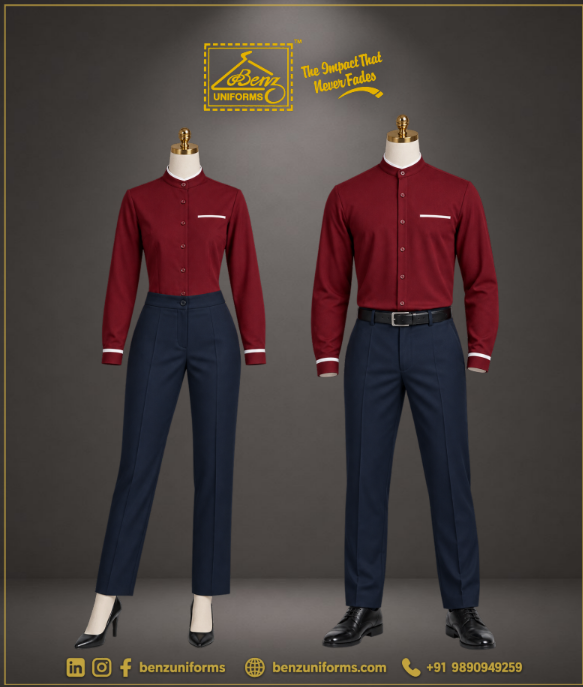 | Restaurant Uniforms Benz Uniforms: Stylish & Comfortable Restaurant Staff Uniforms to Elevate Your Dining Experience Make a lasting impression with our Customized... View product → |
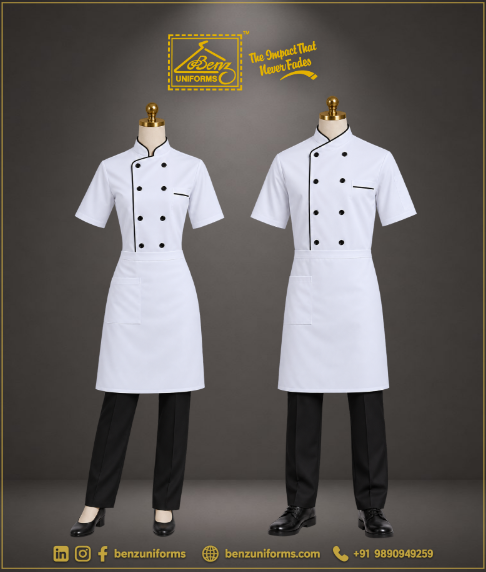 | Chef Uniforms Benz Uniforms: Elevate Your Kitchen with Professional Chef Uniforms At Benz Uniforms, we understand that a chef's attire is more than just... View product → |
Frequently asked questions
How do you diagnose restaurant uniform problems in Pune?
Observe a complete service during summer and monsoon conditions, then inspect garments for dust, grease, food stains, odour, fading and slow drying after the intended laundry cycle.
What uniform specifications suit different restaurant roles?
Match each role with its work hazards and movement: chefs need heat-tolerant, washable garments; servers need comfortable, stain-manageable clothing; housekeeping needs durable garments with practical pockets; front-desk staff need a polished appearance with easy-care fabrics.
Which uniform features help prevent visible service failures?
Use suitable colours, secure closures and purposeful pockets to reduce visible stains, loose buttons, exposed personal items and interruptions during service.
How should restaurants manage uniforms during Pune’s monsoon?
Set a defined laundry process, allow enough garments for wet-weather rotation, inspect items after washing and keep replacement stock for slow-drying, stained or damaged pieces.
How can you test a uniform programme before a bulk order?
Run a trial across a complete shift and the planned laundry cycle, then assess comfort, movement, drying time, colour retention, stain visibility, closure security and garment damage before ordering in volume.