
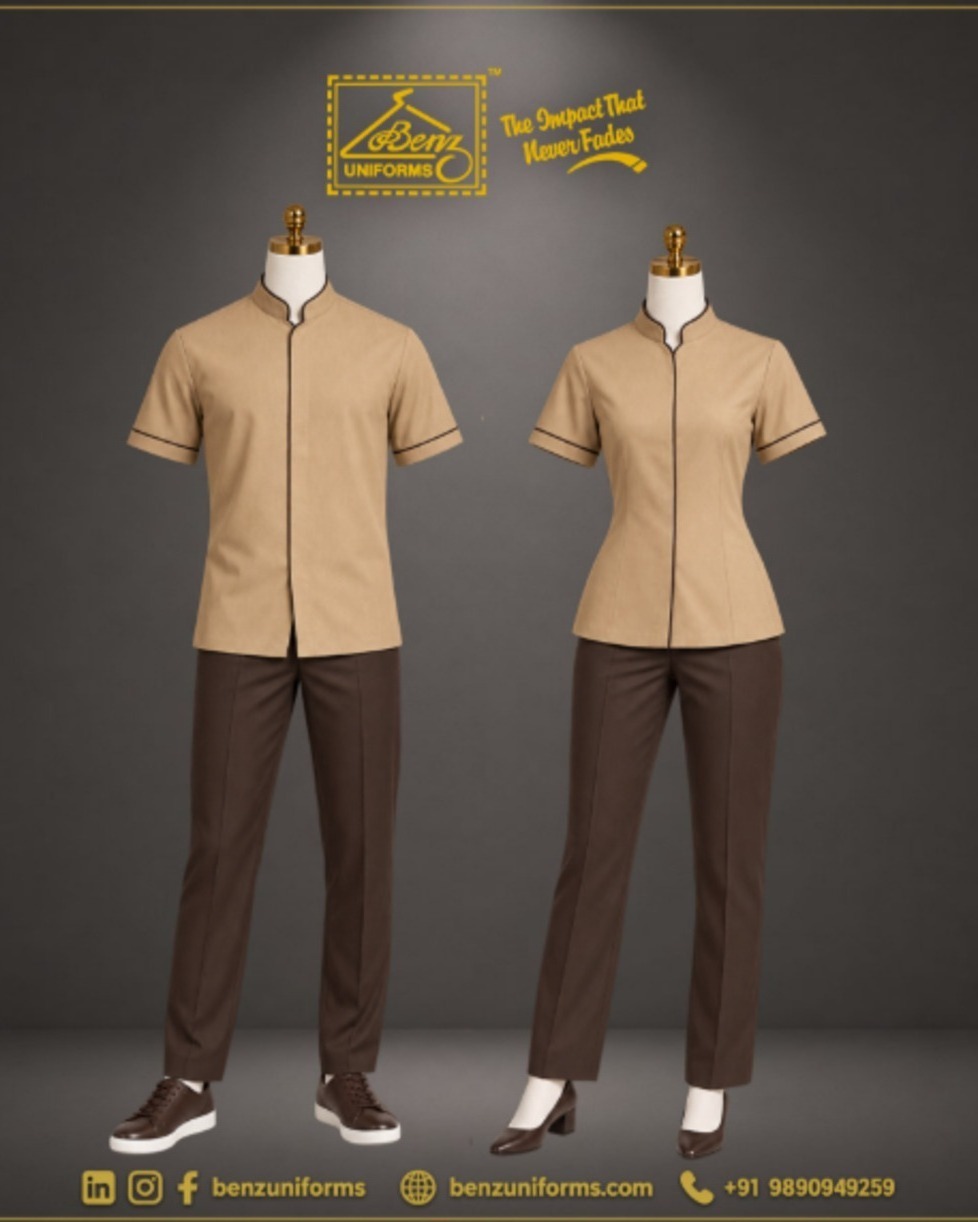
A successful bulk uniform order begins well before production. Hotels searching for a hospitality uniform supplier in Pune can reduce delays, sizing problems, unnecessary revisions, and inconsistent results by preparing a detailed requirement before requesting final quotations.
Start with employee numbers.
Instead of giving only the total workforce, divide requirements by department and garment type. Reception employees may require shirts, trousers or skirts, waistcoats, and jackets, while housekeeping teams may need completely different combinations.
A simple internal requirement should identify:
Department
Number of employees
Garments required per employee
Men's and women's requirements
Preferred style
Working conditions
Branding requirements
Expected spare quantity
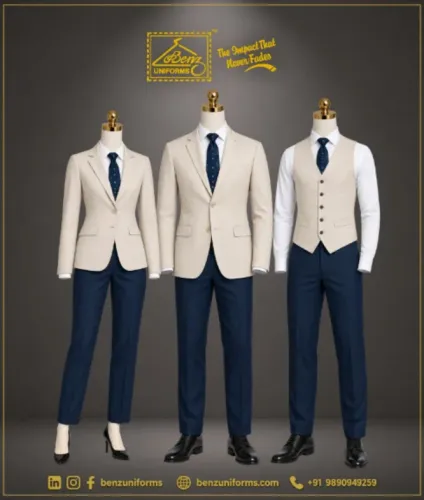
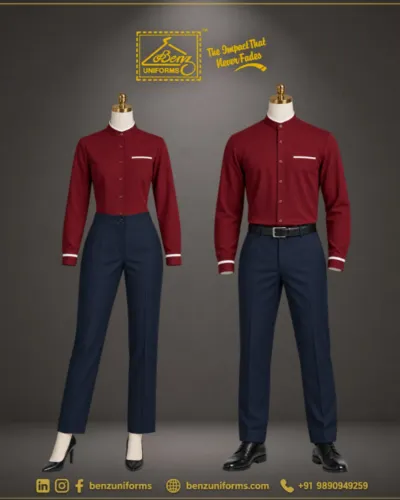
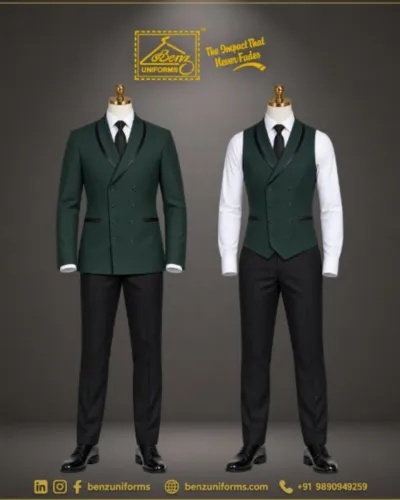
Next, define the visual direction. Hotels can gather references that communicate preferred silhouettes, colours, and overall presentation. References should be treated as inspiration rather than assuming an existing design can simply be copied without adapting it to employee roles.
Brand information should be prepared clearly. If logos are required, determine where they should appear and whether embroidery or another application is appropriate. Brand colours should also be communicated accurately rather than described using broad terms such as blue, beige, or grey.
Fabric requirements should follow workplace conditions.
For example, housekeeping and operational teams may prioritise movement and frequent laundering. Reception employees may need a sharper silhouette. Bell desk personnel may need clothing appropriate for both indoor and entrance-area duties.
Pune hotels should account for Maharashtra's warmer weather and monsoon season when deciding on fabric weight and layering.
Sizing should be planned before the production deadline becomes urgent. Determine whether employees will be measured individually, grouped according to standard sizing, or managed through another agreed process. A small buffer for future replacements may also be worth considering.
Sample approval should never be treated as a formality. Relevant managers and employees can assess:
Overall appearance
Fit
Comfort
Movement
Pocket functionality
Stitching
Branding
Accessories
Fabric feel
Department coordination
Any modifications should be finalised before the complete quantity enters production.
Hotels should also discuss repeat orders at this stage. Ask how approved specifications are recorded and whether future employees can receive matching garments. This is particularly relevant for properties with regular recruitment or seasonal staffing changes.
When working with BENZ UNIFORMS in Pune, hospitality businesses can provide this information at the beginning of the discussion to make design, sampling, costing, and production planning more focused.
Bulk uniform procurement should not be rushed into a simple price-and-quantity decision. The more clearly a hotel defines departments, working conditions, branding, sizing, and replenishment requirements, the easier it becomes to evaluate whether a supplier can meet the property's actual needs.
For hotels and hospitality businesses across Pune, good preparation can turn uniform purchasing from a recurring operational problem into a structured programme that is easier to maintain as teams change and the business grows.