
A spa manager has to move from reception to treatment rooms, wet areas, staff spaces, and guest conversations without looking like a therapist, receptionist, or office executive. By the end, you will know how a separate manager uniform improves identification and service recovery, which design and fabric details support a full shift, and how to test a supplier before committing to a rollout.
Key takeaways
- Give managers a visibly different uniform so guests can identify decision-makers quickly.
- Use colour, trim, or tailoring to signal authority without making managers seem unapproachable.
- Match the uniform to movement, storage, temperature, and laundering demands during a full shift.
- Test fit, fabric performance, and supplier reliability before ordering for the whole spa team.
A separate uniform makes the person in charge visible
A spa needs a separate manager uniform because a shared team uniform hides who can make a decision. Guests may recognise a therapist or receptionist, yet still not know whom to approach when a problem needs authority rather than routine assistance.
A corporate uniform for spa managers makes that role immediately legible without turning the manager into an office visitor. It gives staff a visible escalation point during busy periods and helps guests find someone who can act instead of sending them from desk to desk.
A distinct manager uniform is especially useful when the spa needs help with:
- A complaint requiring service recovery
- A schedule change, cancellation, or upgrade
- A treatment incident or guest-safety concern
- A staffing, access, or facility issue
The difference does not need to be a suit or a completely separate garment system. Manager uniforms for wellness facilities work best when they retain the team’s practical standards while adding a recognisable distinction through a coordinated jacket, trim, badge, or cut.
The manager must still move between reception, treatment rooms, stockrooms, and wet areas without restrictive tailoring, trailing hems, or fabrics that cannot withstand frequent laundering.
That balance matters. If the uniform looks authoritative but prevents bending, walking stairs, or carrying a radio and keys, managers will avoid wearing it correctly. A clear, consistent identifier supports both guest confidence and daily operations across departments and locations.
The right design signals authority without creating distance
A manager needs one controlled visual distinction, not a louder outfit. Choose a calm base colour shared with the wider team, then add one authority marker that guests can recognise at a glance.
- A slightly deeper or complementary colour for the manager’s top
- Contrast piping at the collar or sleeve
- A clean name badge showing the manager’s role
- A structured overshirt or short jacket that remains easy to remove
- A small, tone-on-tone logo rather than oversized branding
Keep the signal quiet. High-saturation colours, shiny fabric, large embroidery, and formal suiting can make a treatment environment feel more like a sales floor or office.
The cut matters as much as the colour. Select a neat, modest silhouette with enough room to bend, reach, and walk between reception and treatment areas. Avoid restrictive tailoring, trailing hems, dangling accessories, and fragile trim; they create practical problems while weakening the polished impression.
Spa manager uniforms should also look credible beside therapists without copying therapist attire. A manager can wear the same breathable base fabric in a distinct cut, or use a washable layer over standard team clothing. That approach gives corporate workwear for spas a consistent identity while preserving comfort, discretion, and easy care.
Approve colour against a physical sample under the spa’s lighting. Screen images conceal differences that become obvious across sites, dye lots, and replacement orders.
Build the uniform around a manager’s actual shift
Choose a manager uniform that can move from a seated reception desk to a wet-area inspection without restricting movement or weakening authority.
| Choice | Works across the shift | Avoid |
|---|---|---|
| Washable tunic or polo with tailored trousers | Keeps the profile neat at reception and practical in treatment rooms, stockrooms, and staff areas | Trailing hems, loose sleeves, and decorative trim that catches on equipment |
| Removable structured jacket over a simple base layer | Adds authority for meetings and guest-facing work, then comes off before wet-area checks | Heavy lining or rigid tailoring that overheats and limits bending |
| Stretch trousers with a mid-rise, straight leg | Supports stairs, crouching, and walking while preserving a polished silhouette | Tight waistbands, ankle-grazing cuts, or wide legs that drag near wet floors |
Spa manager uniforms need usable storage. Add secure pockets for a phone, keys, access card, and incident notes; test them with a radio or badge attached so the fabric does not pull or gape.
Run a sample through seated reception work, reaching across a counter, bending, climbing stairs, and entering a treatment room. Check that closures stay flat, the neckline remains modest, and pockets stay accessible in every position.
That is the practical brief for manager uniforms for wellness facilities: a recognisable cut with reinforced seams, secure fastenings, and no fragile embellishment. A manager who changes garments for every task loses time—and the visible authority the uniform is meant to provide.
Specify fabrics and laundering before approving the look
Approve the look only after the fabric survives the spa’s real cleaning process. Compare corporate workwear for spas against massage oils, lotions, cosmetics, perspiration, water, chlorine and disinfectants—not just its appearance on delivery.
| Fabric option | Performance to compare | Care and durability risk |
|---|---|---|
| Polyester-rich woven | Dries quickly, resists creasing and tolerates frequent washing | Check whether oil marks remain and whether heat setting damages the finish |
| Cotton-rich blend | Feels breathable and comfortable during long shifts | Test shrinkage, colour loss and slower drying after repeated laundering |
| Stretch technical blend | Supports movement between reception, treatment rooms and stockrooms | Confirm elastane recovery, seam strength and compatibility with commercial dryers |
Ask a spa team uniform supplier for physical fabric and trim samples, then wash them through your actual process. Record the detergent, temperature, mechanical action, drying method and pressing equipment; “washable” on a label does not prove suitability for industrial laundering.
ISO 15797 provides procedures for evaluating workwear intended for industrial washing and finishing, but it does not certify every garment for your laundry.
Set separate care standards by garment. Tunics, polos, trousers and aprons need higher wash and replacement tolerance than blazers, structured jackets and decorative layers; forcing every piece into one regime can shorten garment life.
Before approval, require:
- A wash-test sample with measurements taken before and after laundering
- A physical colour reference, including thread and trim, for every site
- Written replacement rules covering fabric, colour, embroidery, trims and size availability
- Inspection for pilling, seam failure, fading, oil staining and weakened fasteners
Test the supplier and uniform system through a full shift
Run each proposed corporate uniform for spa managers through a complete shift before you approve it. A polished sample can fail after reception, treatment-room checks, wet-area inspections, staff meetings, complaint handling, repeated handwashing, and eight hours of movement.
1. Wear the full set during those tasks. Record heat, chafing, restricted reach, pocket access, fastening problems, and whether the manager still looks distinct beside therapists and receptionists.
2. Wash tunics, polos, trousers, and aprons at the planned frequency. Check shrinkage, colour change, seam strength, pilling, embroidery, and drying time separately from jackets or structured layers.
3. Ask the spa team uniform supplier for a written replacement system: approved fabric, colour reference, trims, embroidery thread, size range, lead time, minimum order, and how long those specifications will remain available.
4. Approve a physical colour sample under each site’s lighting. Screen images cannot reveal dye-lot differences, and a replacement jacket that looks blue-grey beside the original can weaken a multi-site brand.
5. Fix the decoration rules before ordering: logo position and maximum size, title wording, name-badge placement, and the treatment of agency or temporary staff. Inconsistent titles create confusion during complaints and incidents.
6. Confirm what the uniform does not protect against. Chemical handling, contaminated linen, and wet floors require the personal protective equipment and slip-resistant footwear specified by your risk assessment.
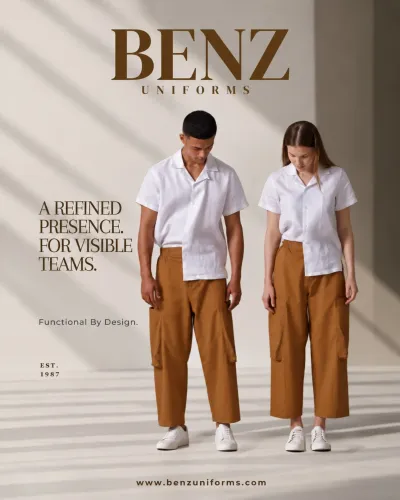
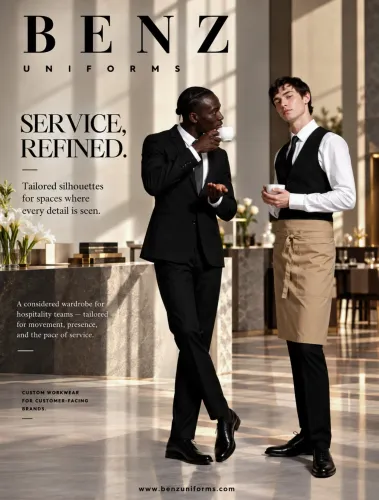
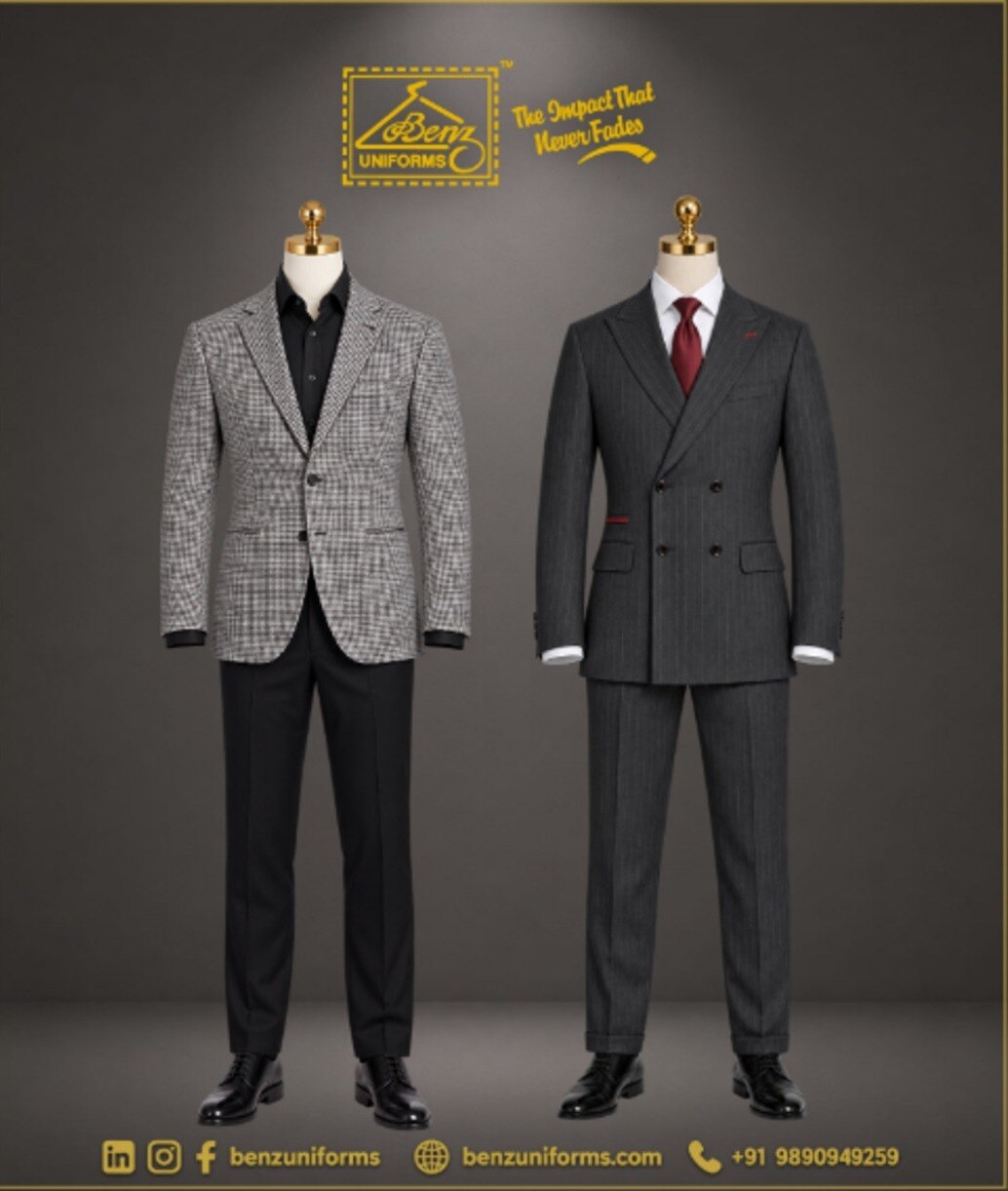
BENZ UNIFORMS is worth assessing against these continuity and testing criteria, not simply against a first-sample photograph. Order a small pilot, keep one approved reference garment, and record sizes and issue dates so future replacements do not become a redesign.
Frequently asked questions
Why does a spa manager need a separate uniform?
A separate uniform makes the person with decision-making authority easy for guests and staff to identify when routine assistance is not enough.
How can a manager uniform signal authority without creating distance?
Use controlled differences such as a distinct colour, trim, jacket, or tailored fit while keeping the design comfortable and consistent with the spa team.
What should a spa manager uniform accommodate during a shift?
Build it around the manager’s movement between reception, treatment areas, offices, staff spaces, and guest interactions, including pockets, footwear, layering, and temperature changes.
What should you check before approving a corporate uniform for spa managers?
Confirm fabric performance, care instructions, commercial laundering requirements, fit, colourfastness, alterations, delivery consistency, and supplier support through a full-shift trial.