
A company may spend considerable effort developing its logo, office interiors, signage, website, and customer communication, yet overlook one of its most visible brand elements: employee clothing. Well-planned corporate uniforms can create a consistent professional appearance while making employees easier to identify across customer-facing and operational environments.
For businesses in Hyderabad, corporate workwear can be relevant across offices, hospitality operations, retail environments, facility teams, sales departments, service businesses, and other organisations where employees regularly interact with customers.
Uniforms Create Immediate Visual Consistency
When employees wear coordinated clothing, customers can identify representatives of the business more easily.
Consistency does not require every employee to wear exactly the same garment. Companies can develop a broader uniform system using related colours, fabrics, embroidery, accessories, and design elements.
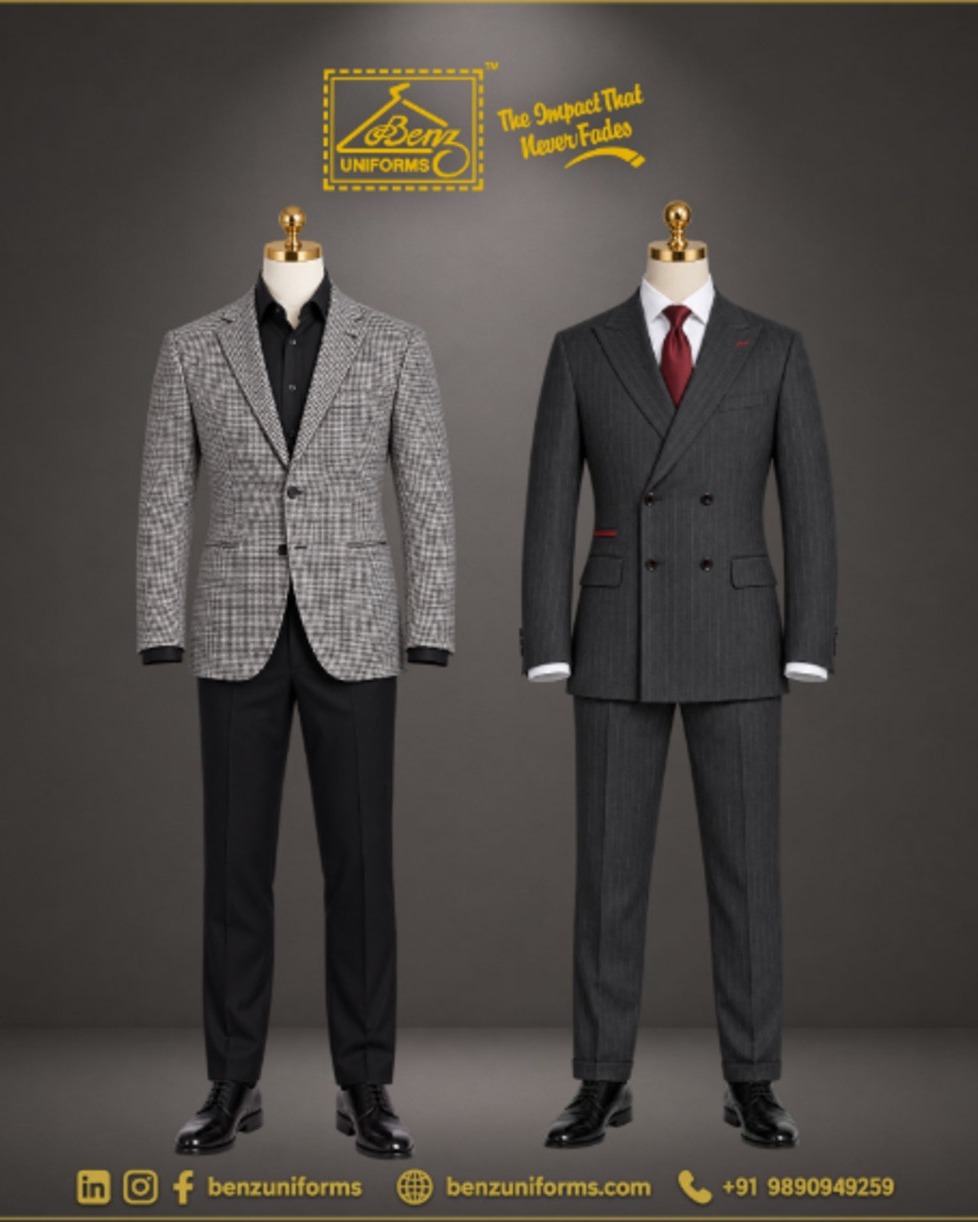
For example, management teams may wear formal jackets while front-line staff use coordinated shirts or polos. Both can belong to the same visual identity when colour and branding are handled consistently.
Design Should Reflect the Workplace
Corporate uniforms should suit the environment in which employees actually work.
A formal reception desk may require structured business attire. A field service team may need durable shirts and trousers. Retail employees may benefit from comfortable garments that allow continuous movement. Customer-facing executives may require clothing that maintains a professional appearance throughout meetings.
Before selecting a design, businesses should consider:
- Employee responsibilities
- Customer interaction
- Workplace temperature
- Movement requirements
- Shift duration
- Washing frequency
- Brand guidelines
- Employee hierarchy
- Seasonal requirements
The best-looking garment on paper may not be the best-performing uniform in practice.
Branding Works Better When It Is Controlled
Large logos and excessive brand colours are not always necessary.
Corporate identity can be incorporated more subtly through embroidered logos, coordinated trims, signature colours, scarves, ties, contrast stitching, or carefully selected fabric shades.
Subtle branding can often create a more refined appearance while keeping the employee clearly associated with the organisation.
Fit Influences How Professional a Uniform Looks
Two garments made from the same fabric can create very different impressions when one fits properly and the other does not.
Companies should plan size ranges carefully, particularly when ordering for larger teams. Male and female fits, body-type variations, alterations, and future employee additions should be considered during procurement.
A sample fitting can reveal practical issues with sleeve length, shoulder fit, trouser movement, shirt length, and overall comfort before a bulk order is produced.
Think Beyond the Initial Order
Corporate uniform procurement is rarely a one-time activity.
Employees join and leave. Garments become worn. Sizes change. New branches open. Additional departments may later require uniforms.
Businesses should therefore consider whether the uniform design can be reproduced consistently and whether replacement garments can be ordered without creating obvious differences in colour or styling.
For companies operating across Hyderabad and Telangana, this can become particularly important when uniforms need to remain consistent across multiple offices, outlets, hotels, facilities, or customer locations.
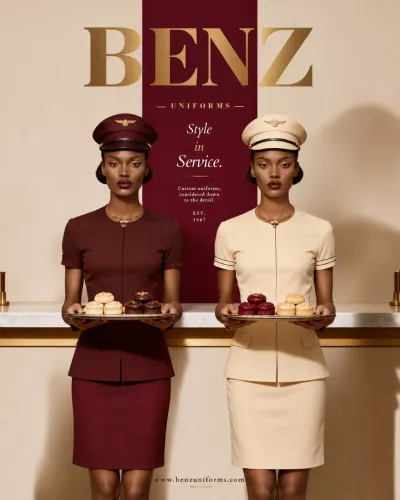
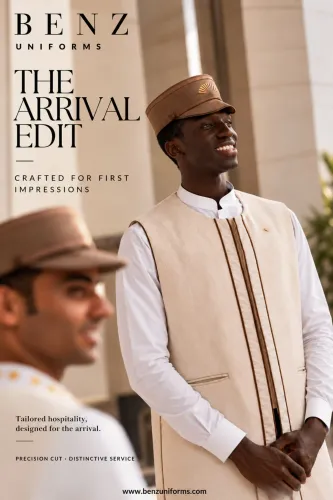
BENZ UNIFORMS works with corporate and hospitality uniform requirements where design, employee roles, fabric selection, sizing, and repeat production need to be considered together.
Before finalising corporate uniforms, organisations can create a simple internal specification covering the employees who will wear them, the environments in which they work, the required level of formality, brand colours, logo placement, washing conditions, and expected order quantities.
Corporate uniforms are most effective when they function as everyday workwear first and branding assets second. When those two objectives are balanced properly, employees receive practical clothing while the organisation presents a more consistent identity to customers throughout Hyderabad and beyond.