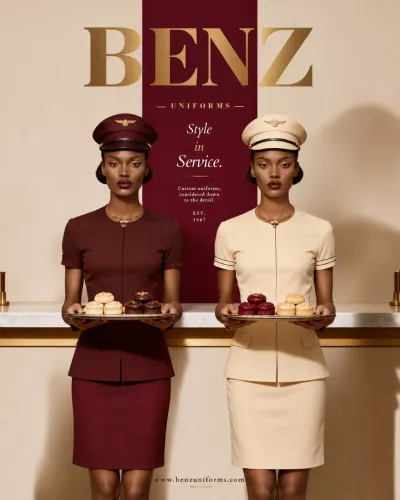

Hotel uniforms do far more than identify employees. They influence how guests perceive the property, help distinguish departments, support staff comfort, and contribute to a consistent hospitality experience. For hotels in Hyderabad, choosing the right hotel uniform supplier therefore requires more thought than simply selecting a shirt, blazer, saree, or housekeeping outfit from a catalogue.
The starting point should be the hotel's positioning. A luxury hotel, business hotel, boutique property, serviced apartment, resort, and banquet hotel may all require completely different uniform styles. The uniform should complement the property's interiors, service standards, brand colours, and overall guest experience.
Think Department by Department
A common mistake is treating hotel uniforms as one standard clothing requirement. In practice, different employees perform very different jobs.
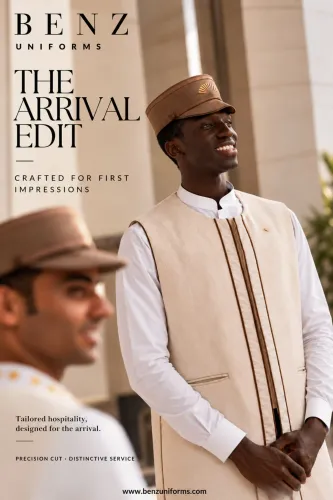
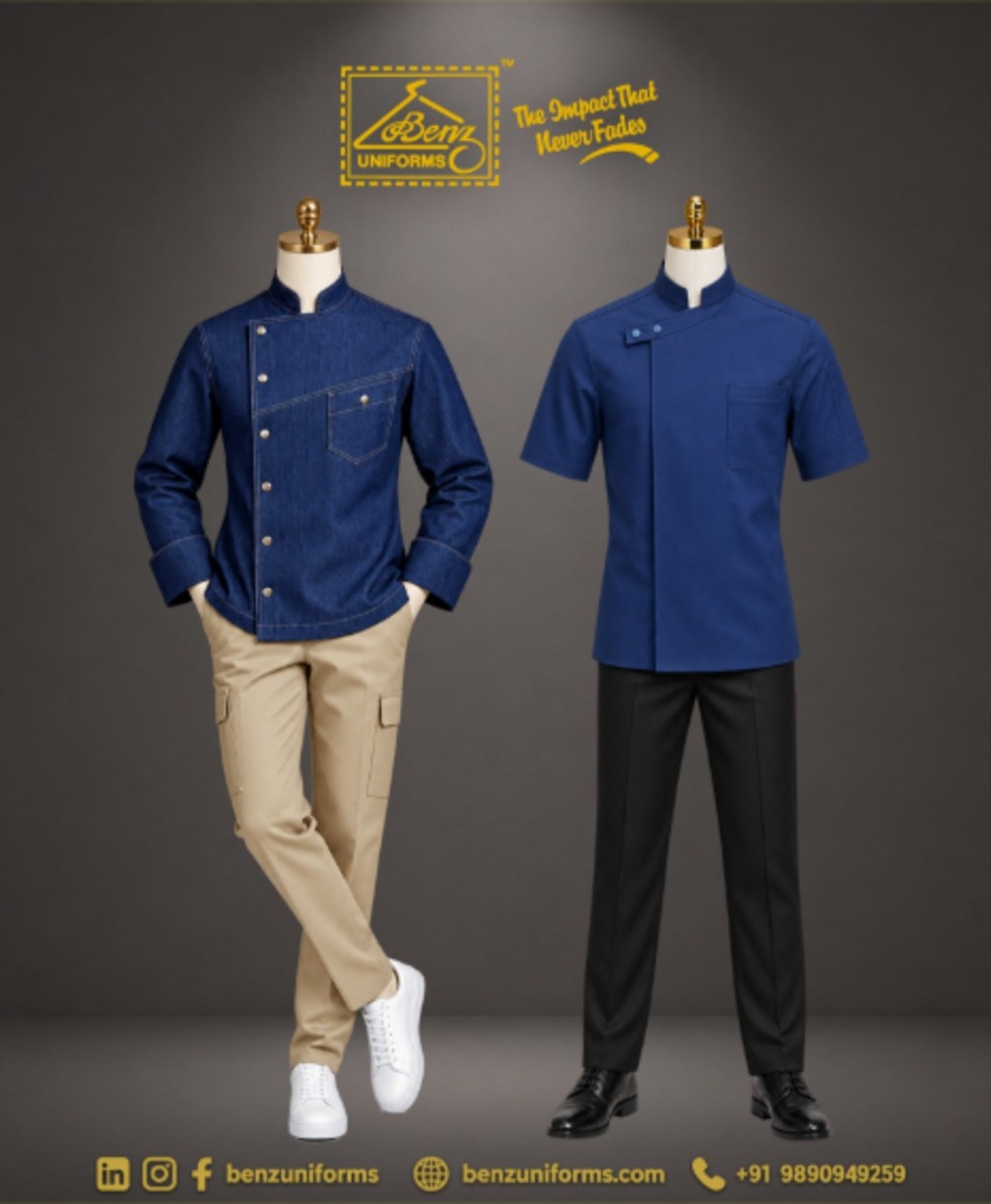
Front office teams generally need polished uniforms that create a professional first impression. Housekeeping employees require clothing that supports movement during physically demanding work. Restaurant teams need practical uniforms that remain presentable during long service periods. Bellboys and concierge personnel often require more distinctive attire because they are highly visible to arriving guests.
A complete uniform plan may cover:
Front office executives
Concierge personnel
Bellboys and doormen
Housekeeping staff
Restaurant servers
Banquet employees
Kitchen personnel
Supervisors
Managers
Engineering and maintenance teams
Security personnel
Planning each department separately helps ensure that design does not compromise practicality.
Fabric Selection Matters in Hyderabad
Hyderabad's climate should be considered when choosing fabrics, particularly for employees who work near entrances, outdoor areas, kitchens, service zones, or non-air-conditioned spaces.
A fabric that looks premium but traps heat or restricts movement can become uncomfortable during long shifts. Hotels should assess breathability, weight, durability, colour retention, wrinkle behaviour, and ease of maintenance.
The ideal fabric depends on the job rather than appearance alone.
For example, a structured front office jacket may be appropriate in an air-conditioned lobby, while the same construction may be impractical for housekeeping employees who spend much of the day moving between rooms.
Fit Has a Direct Impact on Presentation
Even an attractive design can look inconsistent when sizing is poor.
Before placing a bulk order, hotels should understand how the supplier manages measurements, size ranges, male and female fits, alterations, and replacement requirements. Uniforms should allow employees to perform their duties comfortably without looking excessively loose or restrictive.
Sample development can be particularly useful for evaluating fit before production begins.
Consider Maintenance From the Beginning
Hospitality uniforms are washed frequently. Buyers should therefore think beyond how the garment looks when new.
Ask practical questions. Will the colour remain consistent after repeated washing? Is the fabric easy to iron? Are trims durable? Can frequently used sizes be reordered? Are the garments suitable for the property's existing laundry process?
These details influence the actual working life of a uniform programme.
Keep Brand Identity Consistent
Uniforms can reinforce a hotel's visual identity without becoming overly decorative. Brand colours may appear through piping, scarves, ties, waistcoats, embroidery, trims, or subtle fabric combinations.
A well-planned programme creates a family resemblance across departments while allowing each team to remain visually identifiable.
For hospitality businesses across Hyderabad and other parts of Telangana, this balance between appearance and function is particularly important when uniforms are required across multiple guest-facing and operational roles.
BENZ UNIFORMS works with hospitality uniform requirements where design, fabric selection, departmental functionality, sizing, and consistent production need to be considered together. Before selecting a hotel uniform supplier, properties can prepare a clear brief covering departments, employee numbers, working conditions, preferred appearance, branding requirements, and expected delivery schedule.
A detailed brief makes supplier discussions more productive and helps hotels build a uniform programme that remains practical long after the first fitting.