

Corporate uniforms are increasingly used by businesses that want to create a consistent workplace appearance. From hotel management teams and administrative departments to customer-facing employees, coordinated clothing can help organisations establish a recognisable professional identity.
However, corporate uniform planning should not focus entirely on appearance. Employees need garments that are suitable for their daily responsibilities, comfortable for extended working hours and practical to maintain.
For businesses in Mumbai, selecting the right corporate uniform requires consideration of brand identity, workplace culture, employee requirements and local working conditions.
What Is a Corporate Uniform?
A corporate uniform is coordinated clothing designed around an organisation's visual identity and workplace requirements.
It may include formal shirts, trousers, blazers, waistcoats, skirts, polo shirts or other garments depending on the company's industry.
Some businesses use identical uniforms across departments, while others introduce variations based on employee roles.
The objective is to establish a consistent appearance without ignoring functional requirements.
Benefits of Corporate Uniforms
1. Stronger Brand Recognition
Coordinated clothing can make employees more recognisable to customers, visitors and business partners.
Brand colours, logos and consistent styling help connect employees with the organisation.
2. Professional Workplace Presentation
A defined dress standard can create a more organised and consistent appearance, particularly in customer-facing environments.
3. Easier Employee Identification
Corporate uniforms can help customers identify employees who are available to provide assistance.
4. Consistent Visual Communication
Businesses operating across multiple branches can use coordinated clothing to maintain a common brand presentation.
5. Practical Dress Management
A clearly defined uniform policy can reduce uncertainty about everyday workplace clothing expectations.
Selecting Corporate Uniform Styles
Different organisations require different garment combinations.
Formal corporate clothing: Shirts, trousers, blazers and coordinated accessories may suit office administration, management and customer-facing professionals.
Smart casual uniforms: Polo shirts, chinos and other relaxed garments may be suitable for certain operational or contemporary workplaces.
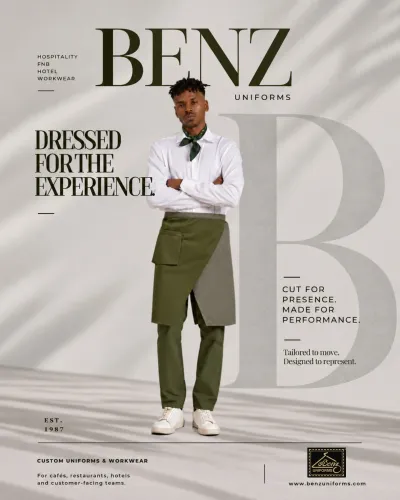
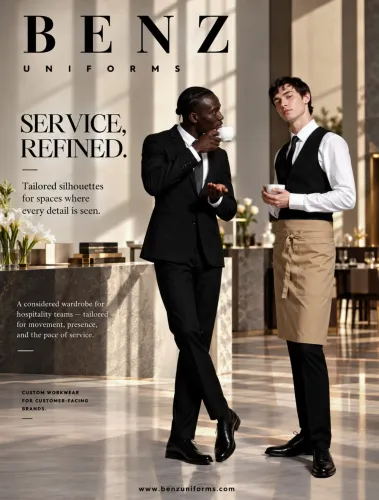
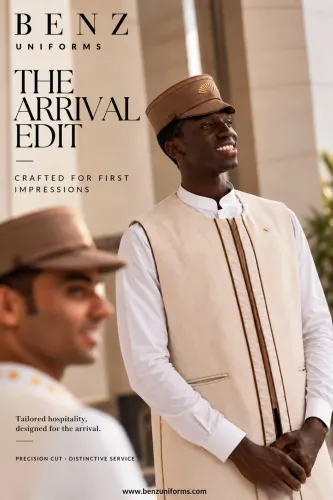
Hospitality corporate uniforms: Hotels may require coordinated clothing for supervisors, front office managers and administrative employees.
Outdoor employee uniforms: Staff working in transportation, field operations or customer-facing outdoor environments may need garments with additional functional features.
Choosing the Right Fabric
Corporate uniforms should remain comfortable and presentable throughout working hours.
Before selecting a fabric, evaluate:
Breathability.
Texture and appearance.
Durability.
Colour retention.
Shrinkage.
Wrinkle resistance.
Washing requirements.
Mumbai's climate makes breathable materials particularly useful for employees who commute, work outdoors or move between different work environments.
Blended fabrics may provide a practical balance of comfort and easy maintenance, depending on garment construction.
How to Build a Corporate Uniform Policy
A successful uniform programme begins with clear internal planning.
First, identify employee categories. Determine which departments require uniforms and whether different roles need different designs.
Second, establish brand guidelines. Confirm approved colours, logo placement and garment styles.
Third, consult employees. Gather feedback about comfort, fit and everyday functionality.
Fourth, test garment samples. Evaluate the materials and designs before ordering in bulk.
Fifth, plan uniform quantities. Consider employee numbers, shift patterns and replacement requirements.
Finally, establish maintenance guidelines. Explain washing, ironing, storage and replacement expectations.
Mistakes That Can Affect Corporate Uniform Programmes
Some businesses choose designs without considering employee feedback. Others focus on the lowest initial cost and overlook long-term garment performance.
Common problems include inconsistent sizing, unsuitable fabrics, poor logo placement and a lack of replacement inventory.
A written specification helps reduce these issues by defining garment measurements, materials, colours, accessories and finishing requirements.
Finding a Corporate Uniform Manufacturing Partner in Mumbai
Mumbai businesses operate across sectors such as hospitality, retail, manufacturing, professional services and administration. Their uniform needs can vary considerably.
Benz Uniforms can be considered when exploring coordinated corporate and hospitality clothing requirements. Businesses should review design options, samples, production capabilities and bulk-order quality before making a decision.
Corporate uniforms should support the organisation's identity while respecting the comfort and practical needs of employees. When planned properly, they become a useful part of everyday workplace presentation rather than simply another dress code requirement.